Entering the Orthodox Church · Lesson 17 of 20
Whose Work Is the Creed — and the Bible?
Before examining the four attributes of the Church, Metropolitan Hierotheos makes a point that reorders how we see everything: the Symbol of Faith is the work of the Church — and so, naturally, is Holy Scripture. The Church wrote the Scriptures; the Church interprets them; the Church formulates the doctrines that set the boundary between truth and deception; the Church frames the canons by which she orders her life and heals her sick members. The Bible is not a book that fell from the sky over against the Church; it is the Church’s own book, breathing her own Spirit.
Metropolitan Hierotheos emphasizes the inseparable bond between the Church’s faith, her Eucharistic life, and communion in the Body of Christ. From this Orthodox perspective, Christian division is a wound calling for healing in truth and love. This confession is not a warrant for contempt toward other Christians or for judging an individual’s salvation.
Why Is the Church One?
Because Christ has one Body. There are many local Orthodox Churches — patriarchates and autocephalous Churches, among them our own Patriarchate of Antioch — yet inasmuch as they hold the same faith and are in communion with one another, they constitute one Church. The image comes from the Liturgy itself: there is one Lamb on the holy altar, and whoever communes receives not a part of Christ but the whole Christ — “broken and distributed… broken but not divided.” So the many local Churches are the one, undivided Body.
Why Is the Church Holy?
Because her Head, Christ, sanctifies her. The Church is not made holy by her members; she makes her members holy. This one sentence answers the oldest objection — “but the Church is full of sinners!” Of course she is; that is what she is for. A hospital is not discredited by being full of the sick. We remain within the Church in order to become holy; we entrust others to God’s mercy rather than presume to judge their salvation.
Why Is the Church Catholic and Apostolic?
She is catholic for three reasons: she is found throughout the whole world; she preserves the whole truth; and her life is common to all. Rightly understood, “catholic” and “Orthodox” name the same thing — the true catholic is the Orthodox believer, who possesses the whole truth and is being transfigured by it.
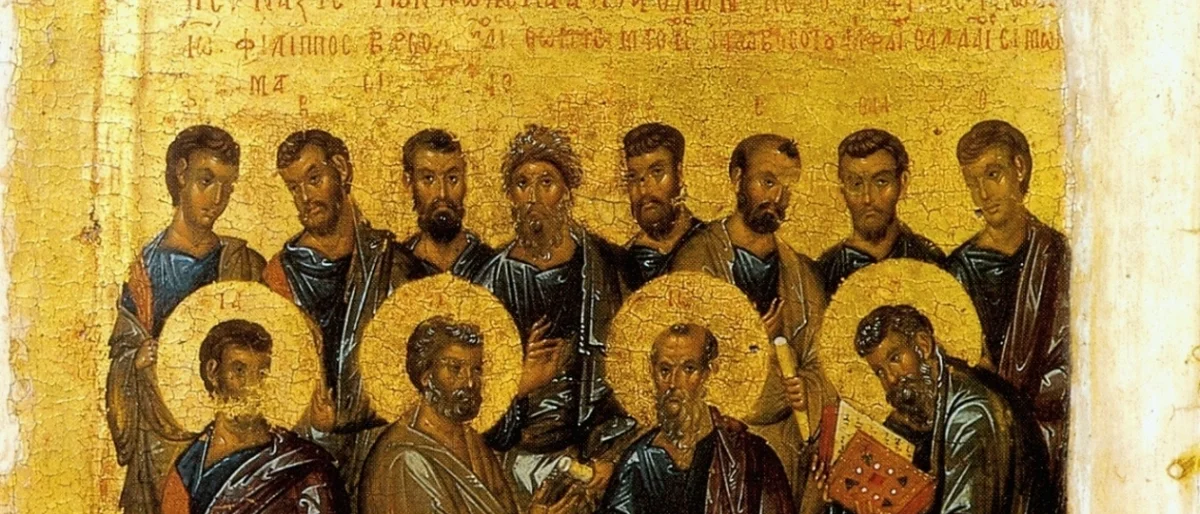
She is apostolic because her Head is Christ, whom Scripture itself calls “the Apostle and High Priest of our confession” [Hebrews 3:1]; because she is built on the foundation of the Apostles [Ephesians 2:20]; and because she is patristic — for the fathers are the successors of the Apostles in both priesthood and teaching, holding the same faith and living the same life. Apostolic succession is not a bare list of names but an unbroken continuity of grace, faith, and way of life.
What Does This Ask of Us?
This calls for humility and gratitude: to live the faith, keep Christ’s commandments, and receive the Holy Mysteries with repentance. The image of the Church as a body teaches our need for communion and care for one another. It should lead us to prayer for unity and to love of our neighbors.
But the Creed’s ninth article is finally a confession of joy: in a fragmented world, there exists one holy, catholic, and apostolic Church — a Body with an unbroken heart — and her doors stand open.
This article is drawn from Entering the Orthodox Church by Metropolitan Hierotheos (Vlachos) of Nafpaktos, a guide to the catechism and baptism of adults, and is part of a series presenting its teaching.